
“WHO and UNICEF recommend that children initiate breastfeeding within the first hour of birth and be exclusively breastfed for the first 6 months of life – meaning no other foods or liquids are provided, including water.”


“WHO and UNICEF recommend that children initiate
breastfeeding within the first hour of birth and be exclusively
breastfed for the first 6 months of life – meaning no other
foods or liquids are provided, including water.”
“WHO and UNICEF recommend that children initiate
breastfeeding within the first hour of birth and be exclusively
breastfed for the first 6 months of life – meaning no other
foods or liquids are provided, including water.”


Breastmilk has been linked to increased protection from

Asthma

T1 Diabetes

Obesity

SIDS
Sudden Infant
Death Syndrome
and has been proven to improve neurological development.

83%
of infants start
breastfeeding at birth
25%
of infants are exclusively breastfeeding by 6 months old
Breastmilk has been linked to increased protection from
Asthma
T1 Diabetes

Obesity

SIDS
Sudden Infant
Death Syndrome
and has been proven to improve neurological development.
83%
of infants start
breastfeeding at birth
25%
of infants are exclusively breastfeeding by 6 months old
Breastmilk has been linked to increased protection from
Asthma
T1 Diabetes
Obesity
SIDS
Sudden Infant
Death Syndrome
and has been proven to improve neurological development.
83%
of infants start
breastfeeding at birth
25%
of infants are exclusively breastfeeding by 6 months old

What prevents mothers from exclusively breastfeeding their children?
What prevents mothers from exclusively breastfeeding their children?
What prevents mothers from exclusively breastfeeding their children?
THE STRUGGLES OF BREASTFEEDING MOTHERS OF PRETERM INFANTS: A QUALITATIVE STUDY
BMC Pregnancy and Childbirth
1
MICROSYSTEMS
The challenges of breastfeeding
and adaption barriers
2
MESOSYSTEMS
Dysfunctional support systems within families and hospitals
3
MACROSYSTEMS
insufficient social support systems
Lacking lactation education prevents properly informed decision making.
The experience of those in her immediate social network heavily impact breastfeeding decisions.
Perceived inadequacy and potential for harm also play a large role in mother’s decision making.
“This deficiency in support often led to a decrease in mothers’ confidence in their parenting abilities.”
“Feelings of guilt, frustration, and self-blame were frequently reported, contributing to a significant emotional burden.”
THE STRUGGLES OF BREASTFEEDING MOTHERS OF
PRETERM INFANTS: A QUALITATIVE STUDY
THE STRUGGLES OF BREASTFEEDING MOTHERS OF PRETERM INFANTS: A QUALITATIVE STUDY
BMC Pregnancy and Childbirth
1
1
MICROSYSTEMS
MICROSYSTEMS
The challenges of breastfeeding
and adaption barriers
The challenges of breastfeeding
and adaption barriers
2
2
MESOSYSTEMS
MESOSYSTEMS
Dysfunctional support systems within families and hospitals
Dysfunctional support systems within families and hospitals
3
3
MACROSYSTEMS
MACROSYSTEMS
insufficient social support systems
insufficient social support systems
Lacking lactation education prevents properly informed decision making.
The experience of those in her immediate social network heavily impact breastfeeding decisions.
Perceived inadequacy and potential for harm also play a large role in mother’s decision making.
Lacking lactation education prevents properly informed decision making.
The experience of those in her immediate social network heavily impact breastfeeding decisions.
Perceived inadequacy and potential for harm also play a large role in mother’s decision making.
“This deficiency in support often led to a decrease in mothers’ confidence in their parenting abilities.”
“Feelings of guilt, frustration, and self-blame were frequently reported, contributing to a significant emotional burden.”
Mothers of NICU-discharged infants need support to ensure proper nutrition while breastfeeding or pumping, easing the self-doubt that often accompanies the transition from expert care to at-home care.
Mothers of NICU-discharged infants need support to ensure proper nutrition while breastfeeding or pumping, easing the self-doubt that often accompanies the transition from expert care to at-home care.
Mothers of NICU-discharged infants need support to ensure proper nutrition while breastfeeding or pumping, easing the self-doubt that often accompanies the transition from expert care to at-home care.
A simple way to assess milk quality is essential.
A simple way to assess milk quality is essential.
A simple way to assess milk quality is essential.

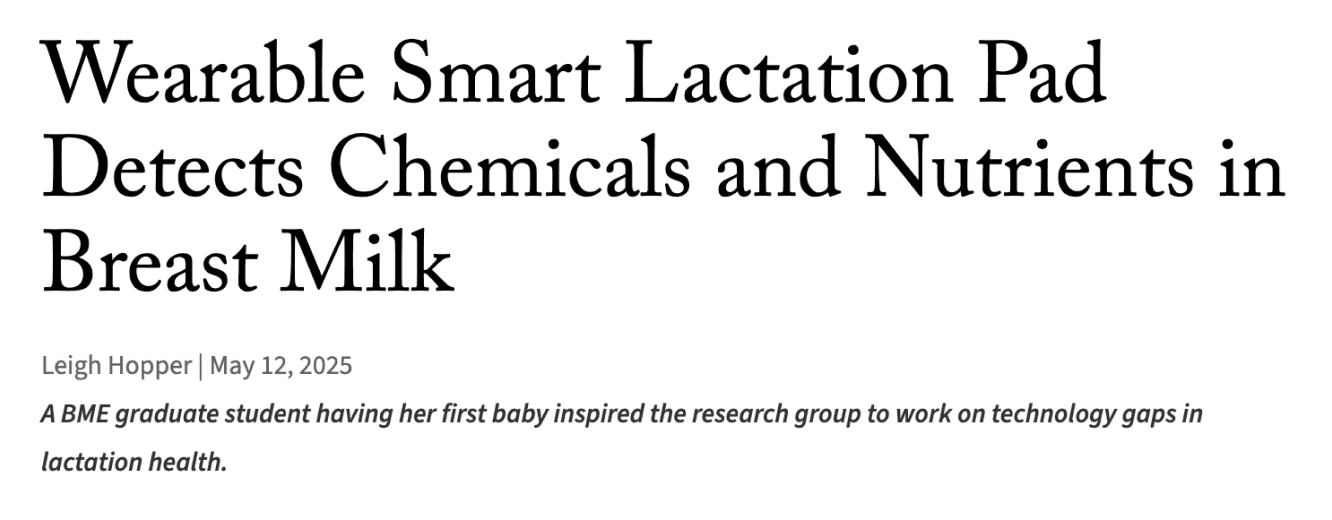
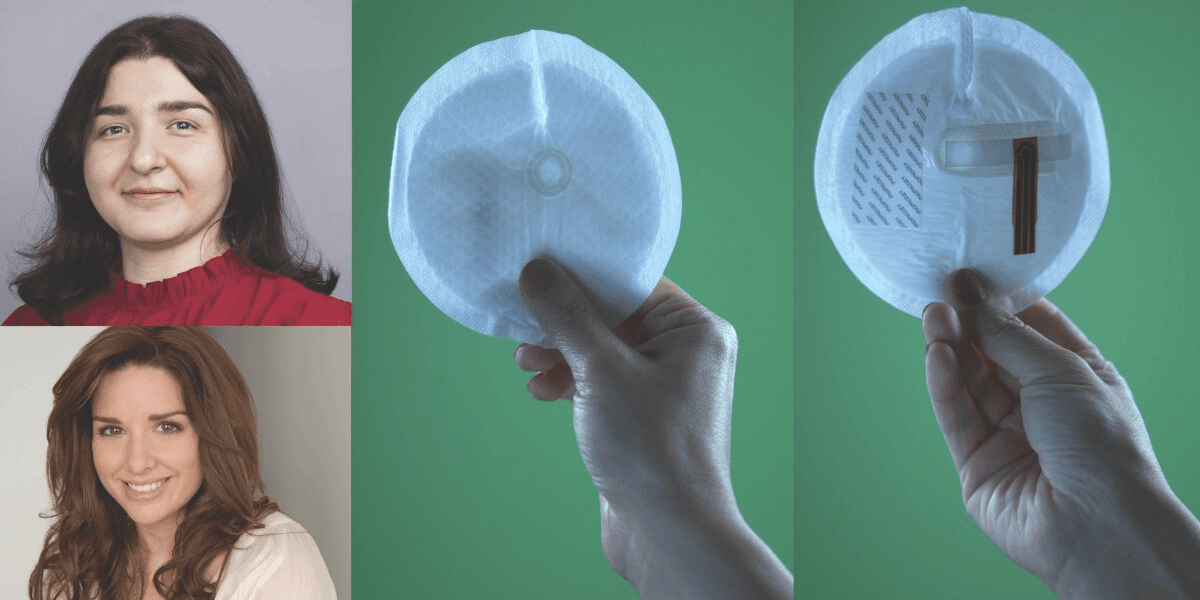
“There, low cost electrochemical sensors get to work, detecting and measuring important health markers in the milk. It’s fusion of everyday comfort and cutting-edge science, designed to give new parents insights into their health and their baby’s, without adding anything to their already full plates.”
“There, low cost electrochemical sensors get to work, detecting and measuring important health markers in the milk. It’s fusion of everyday comfort and cutting-edge science, designed to give new parents insights into their health and their baby’s, without adding anything to their already full plates.”
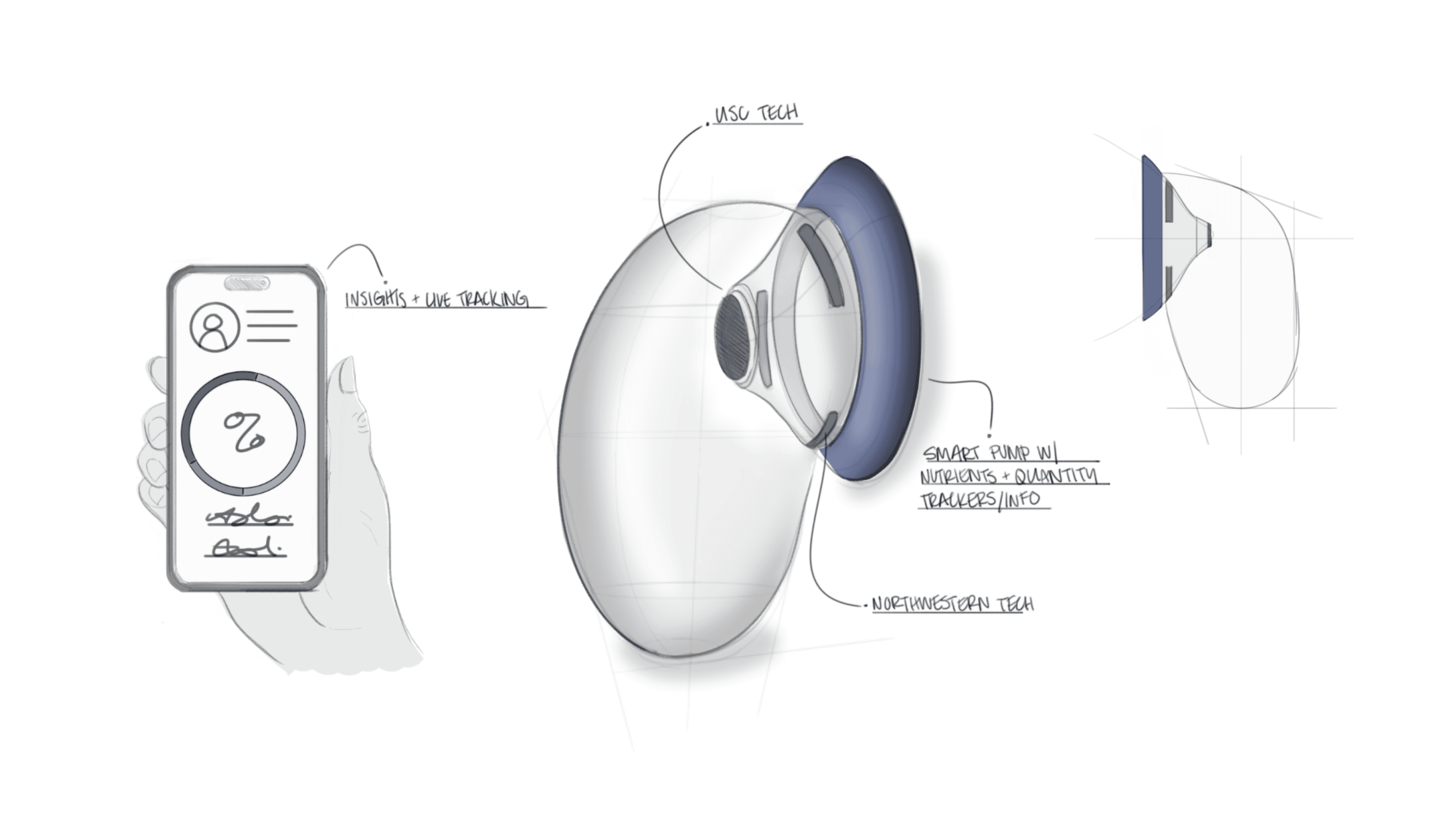
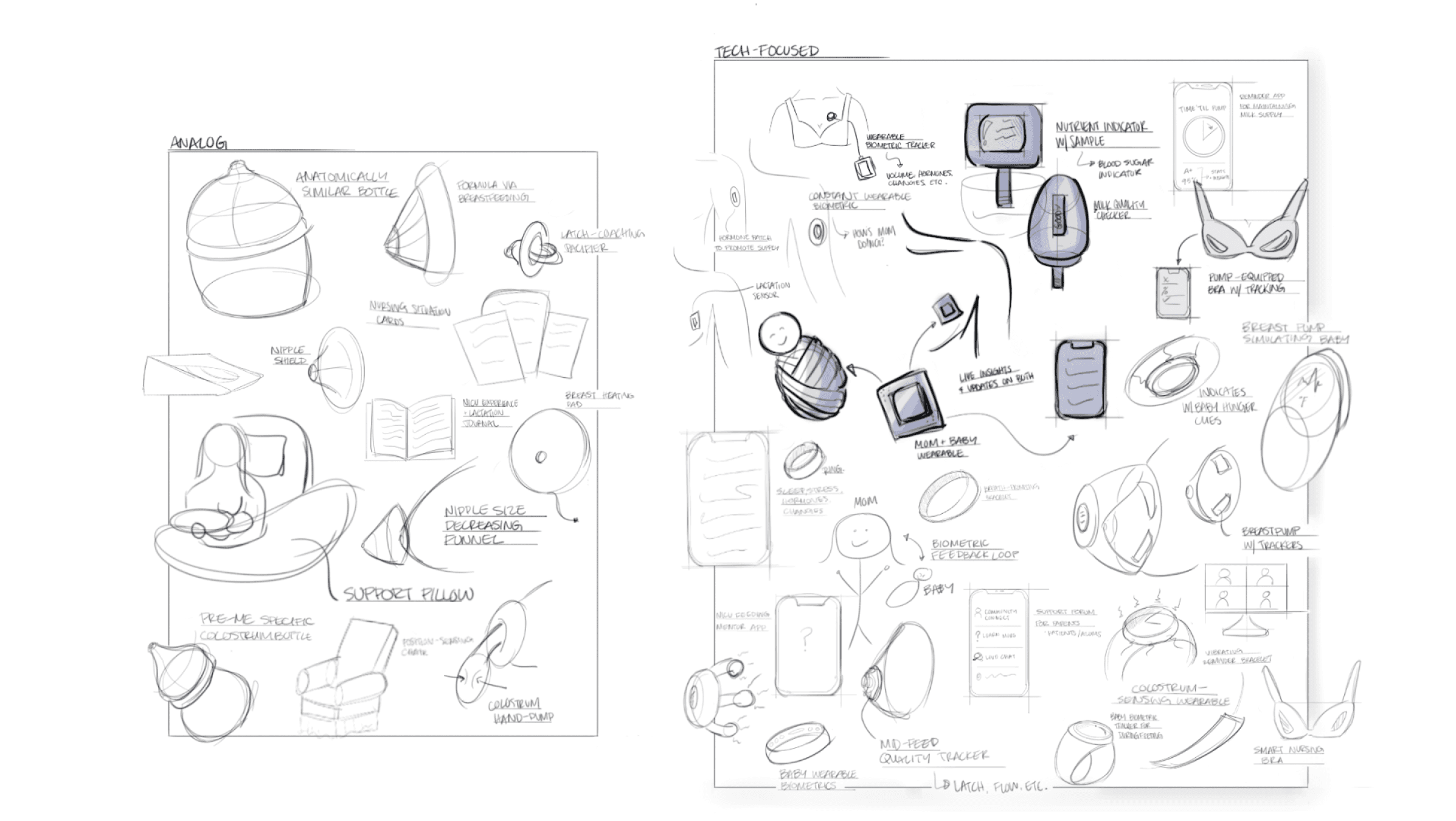
1 - Smart Breast Pump
Breast pump with USC Engineering smart lactation sensors integrated. Compatible with an app to deliver real-time, in-depth insights.
Feedback
Compelling use of technology with a
credible product.
Doesn’t promote exclusive breastfeeding
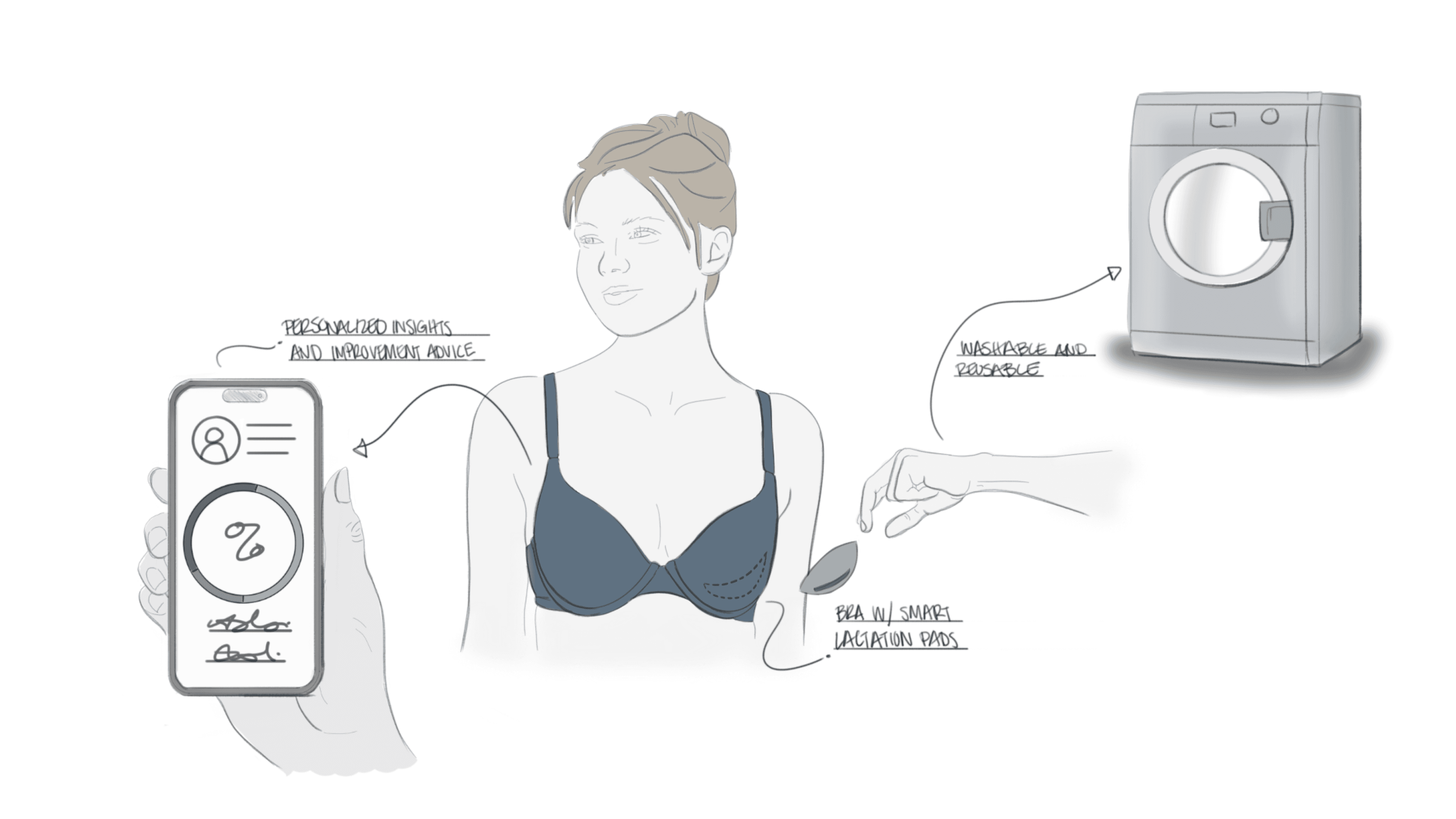
2 - USC Tech Lactation Bra
Lactation bra designed specifically for implementation of USC Engineering sensors. Intended for real-life, daily use.
Feedback
Good concept, not compelling enough
to pursue.
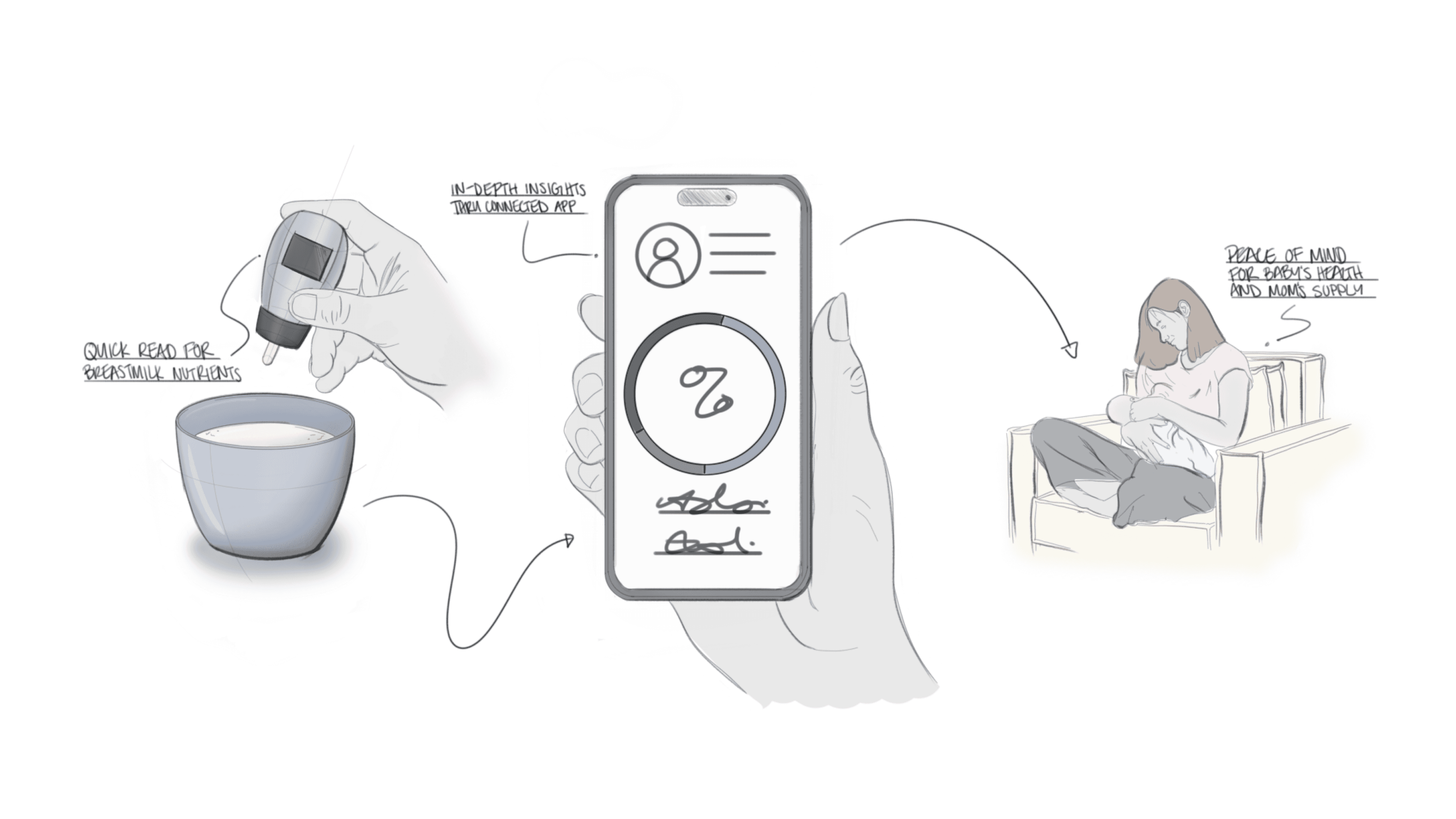
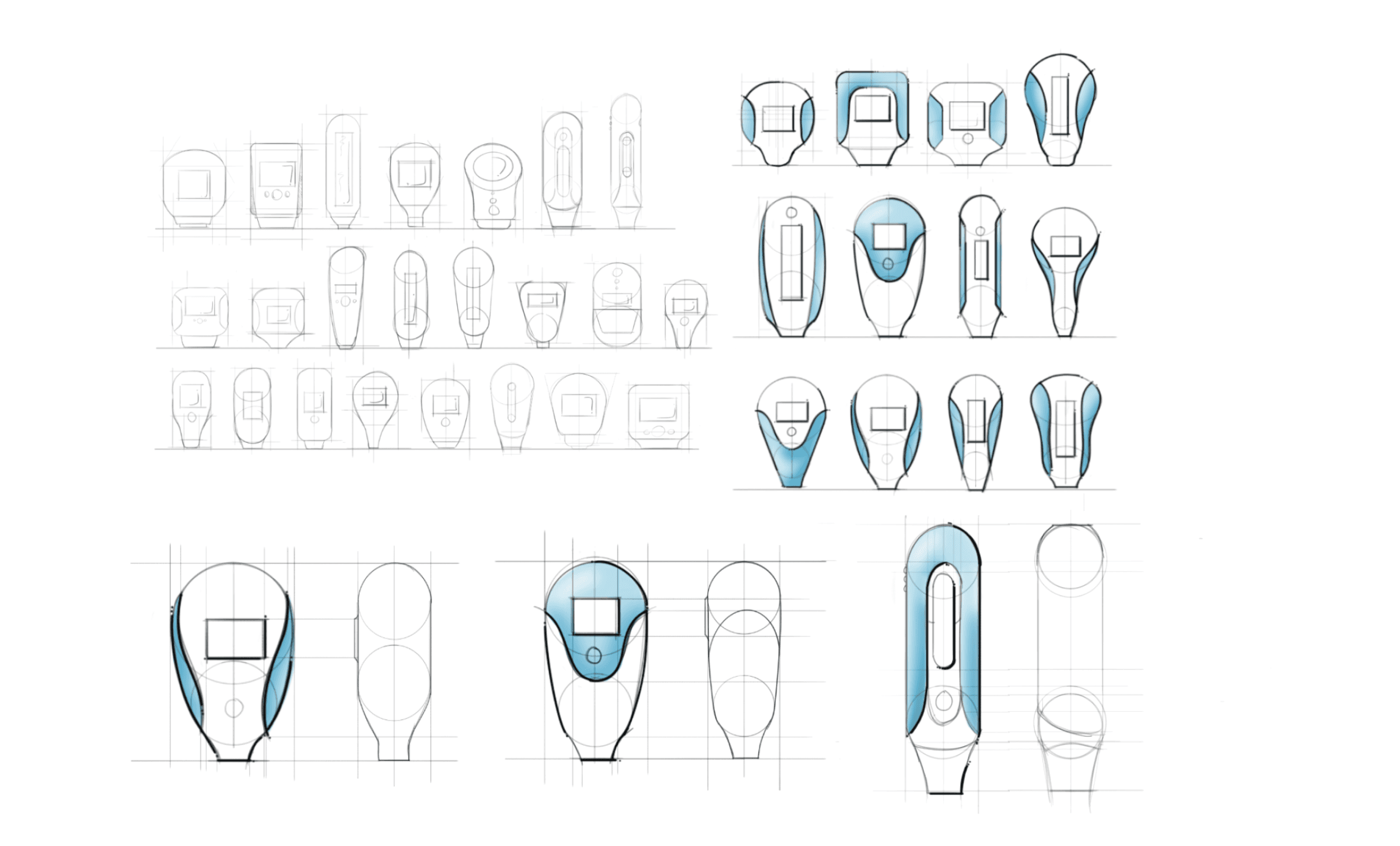
3 - Breast Milk Content Reader
Glucose reader style device intended to measure the nutrients of a breastmilk sample before feeding. USC Engineering lactation sensing technology paired with an app for quick insights.
Feedback
Interesting use of tech while still
promoting exclusive breastfeeding.
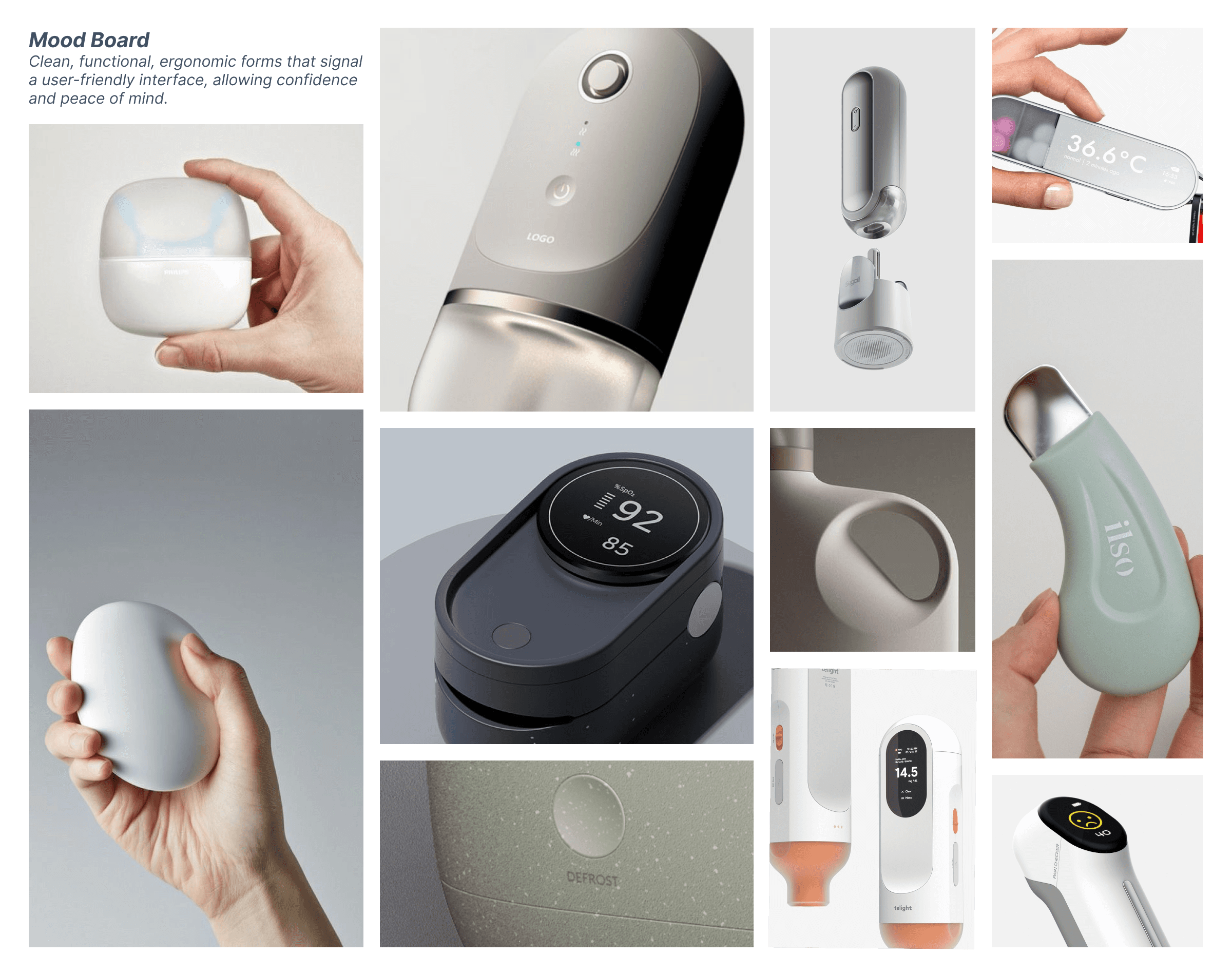
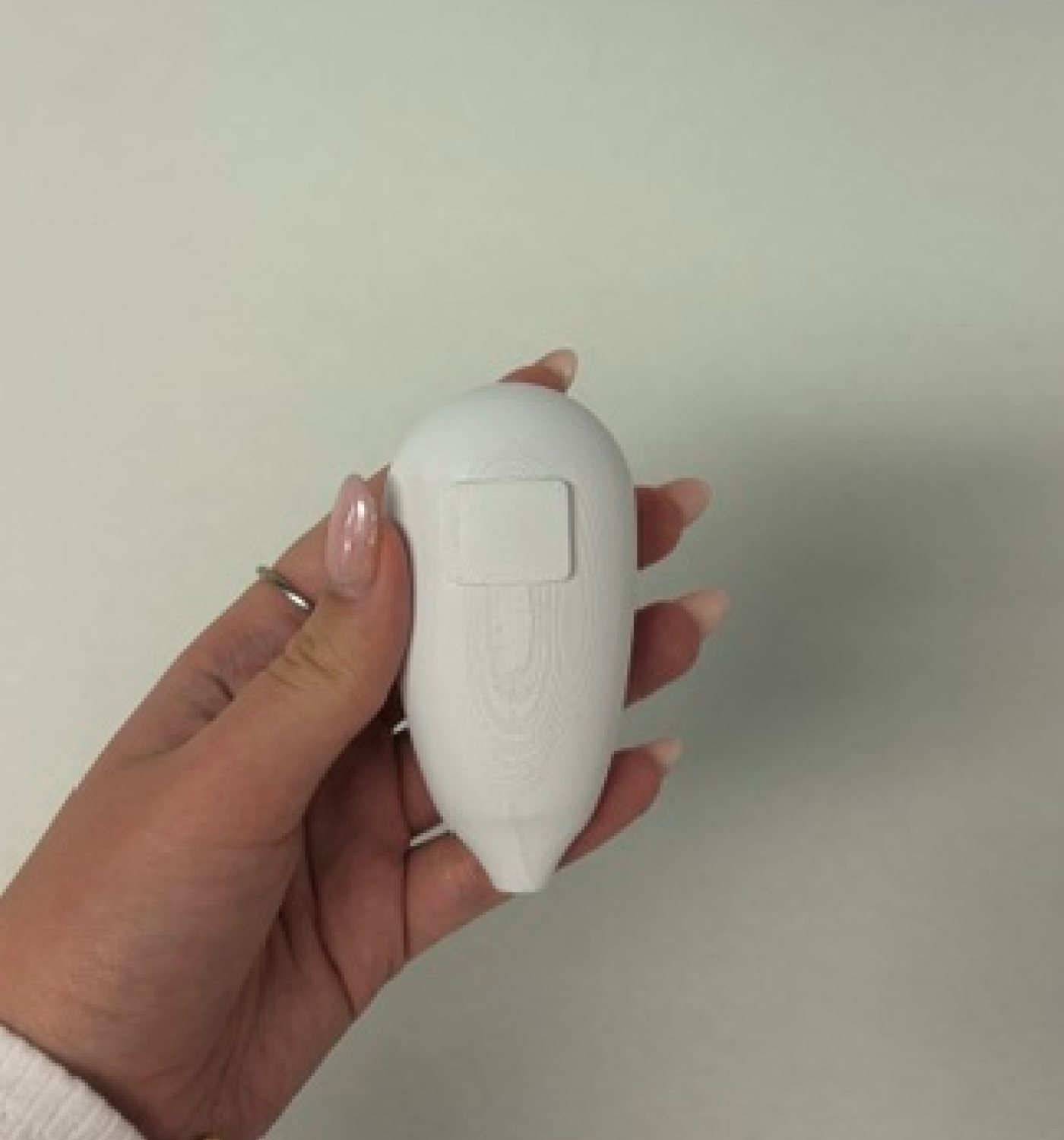
Outdated form
Good feature ratio
Need to increase slope and funnel height
Outdated form
Good feature ratio
Need to increase slope and funnel height
Outdated form
Good feature ratio
Need to increase slope and funnel height
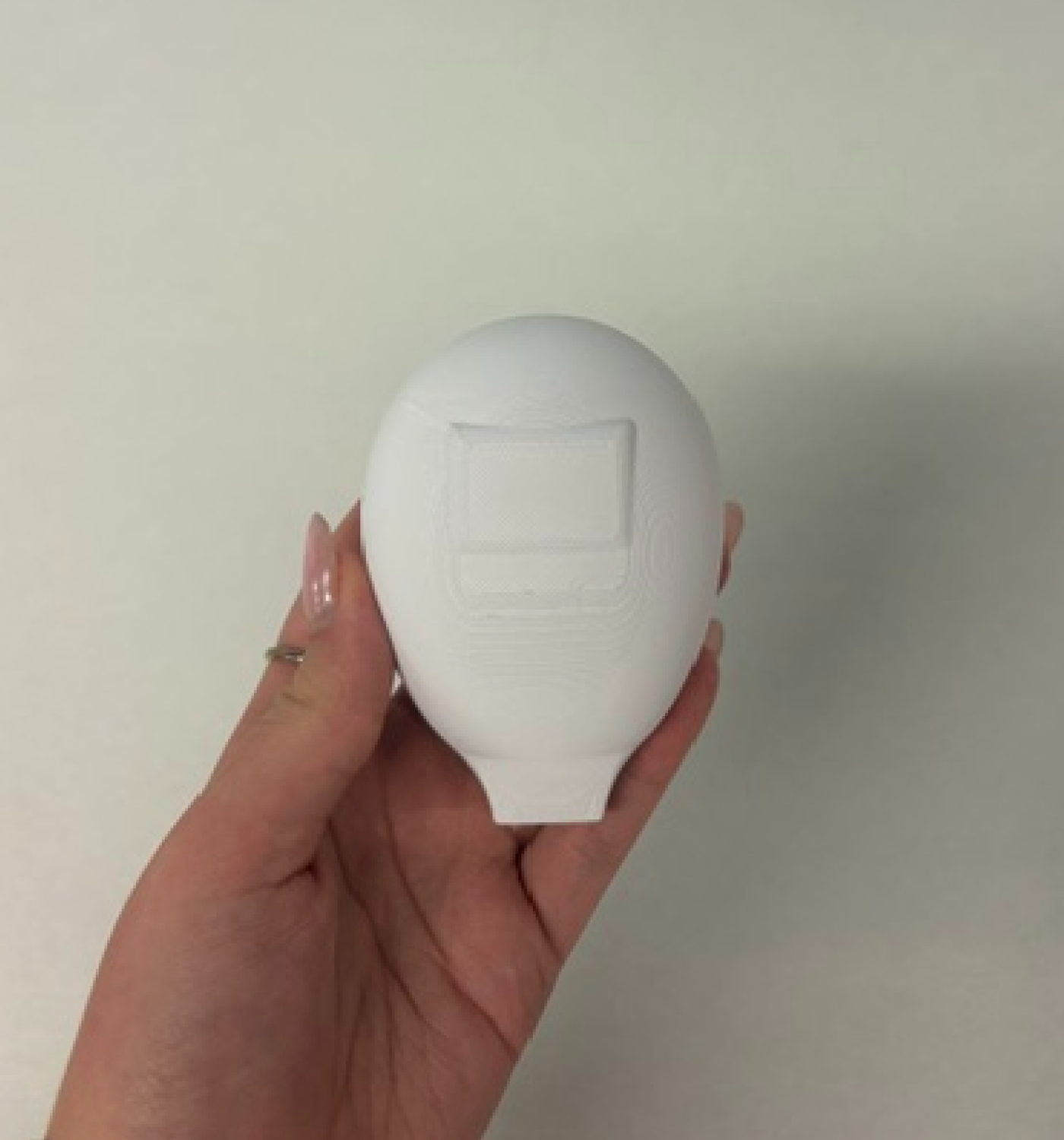
Too bulky
Bad ergonomic function
Good funnel ratio
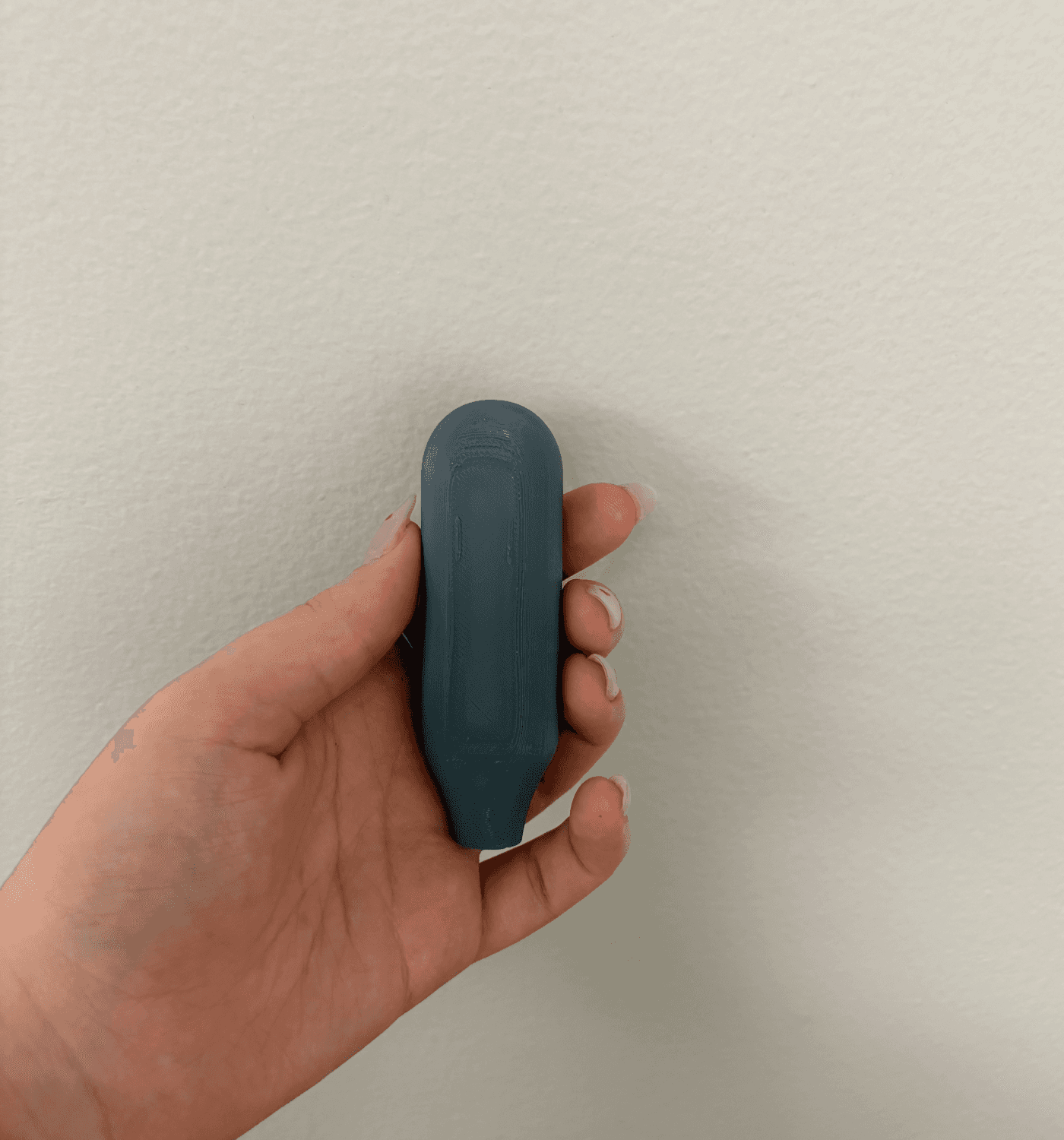
Preferred form, slim and sleek
Good ergonomic function
Need to consider surface details
Too bulky
Bad ergonomic function
Good funnel ratio
Too bulky
Bad ergonomic function
Good funnel ratio
Preferred form, slim
and sleek
Good ergonomic function
Need to consider surface details
Preferred form, slim
and sleek
Good ergonomic function
Need to consider surface details
© 2025 - Sarah McArthur All Rights Reserved
© 2025 - Sarah McArthur All Rights Reserved
© 2025 - Sarah McArthur All Rights Reserved